


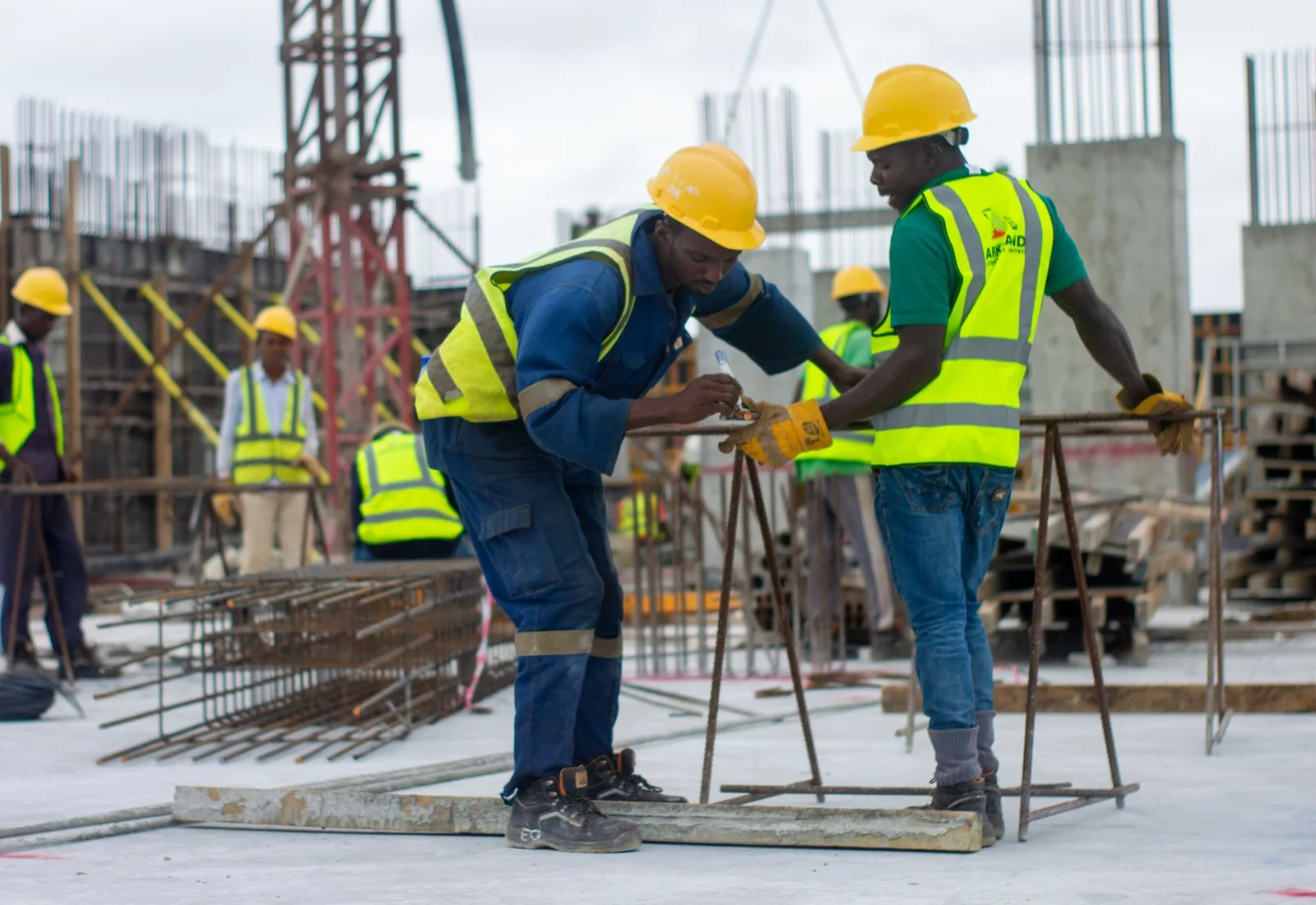
Falls are a large part of the construction injury picture. WorkSafeBC reported in May 2026, from preliminary data, nearly 5,800 construction injury claims related to falls from elevation from 2021 to 2025.
Which rule applies
| Situation | What Part 11 requires | Section |
|---|---|---|
| A fall of 3 m (10 ft) or more may occur | A fall protection system, unless the Regulation provides otherwise | 11.2(1)(a) |
| A fall of less than 3 m, with more risk than landing on a flat surface | A fall protection system | 11.2(1)(b) |
| No permanent guardrails and a fall of 7.5 m (25 ft) or more may occur | A written fall protection plan, as well as the system | 11.3(1)(a) |
| Work procedures replace fall arrest or rope access, because those aren’t practicable or would be more hazardous than not using them (s.11.2(5)) | A written fall protection plan, at any height where s.11.2(5) applies | 11.3(1)(b) |
| Before a worker enters an area with a risk of falling | The worker is instructed in the area’s fall protection system and procedures | 11.2(6) |
The order you have to choose in
Section 11.2 sets an order. You move down when the option above isn’t practicable. Work procedures, the last step, also apply when fall arrest or rope access would be more hazardous than not using it.
- Guardrails that meet Part 4, or a similar means of fall restraint, when practicable (s.11.2(2)).
- Another fall restraint system, which stops the worker reaching the edge (s.11.2(3)).
- A fall arrest system, or a rope access system that meets Part 34 (s.11.2(4)).
- Work procedures acceptable to WorkSafeBC that minimize the risk of injury, only if fall arrest or rope access isn’t practicable, or would create a greater hazard than not using it (s.11.2(5)).
The employer has to ensure the system is used, and the worker has to use the system provided (ss.11.2(1) and (7)).
Restraint or arrest?
Guideline G11.2-3 explains that restraint normally means the worker can’t fall below the surface they were standing on. If the equipment can’t be arranged to limit the vertical drop to 30 cm (1 ft), the system should be treated as fall arrest.
For flat or low-slope surfaces (up to 4 in 12), guideline G11.2-2 says the fall hazard area extends at least 2 m (6.5 ft) back from an unguarded edge.
The written plan
A fall protection system, including work procedures under s.11.2(5), is how the worker is protected. The fall protection plan is the written document. The plan has to be available at the workplace before work with a risk of falling begins (s.11.3(2)).
WorkSafeBC guideline G11.3 says a written plan should specify:
- the fall hazards expected in each work area,
- the fall protection system or systems to be used in each area,
- the procedures to assemble, maintain, inspect, use and disassemble the system or systems,
- the inspection requirements for anchors and anchorages, and the criteria for rejecting them, and
- the procedures to rescue a worker who has fallen, is suspended by a personal fall protection system or safety net, and can’t self-rescue.
In certain locations and situations, the Industrial High Angle Rope Rescue Program may meet the need for rescue procedures. Where a plan isn’t required, the employer must still consider rescue or evacuation under s.4.13.
Instruction is separate
Before a worker enters an area with a fall risk, they must be instructed in that area’s system and procedures (s.11.2(6)). Guideline G11.2(6)-1 says general instruction or a training course on its own isn’t enough: it has to be specific to the area and include the work procedures used there.
Anchors, harnesses and equipment
| Item | Requirement | Section |
|---|---|---|
| Anchor, temporary fall restraint | Ultimate load capacity of at least 3.5 kN (800 lbs) or four times the worker’s weight, in any direction a load may be applied | 11.6(1) |
| Anchor, temporary fall arrest | At least 22 kN (5,000 lbs) or two times the maximum arrest force, in any direction required to resist a fall | 11.6(3) |
| Permanent anchor | At least 22 kN (5,000 lbs), in any direction required to resist a fall | 11.6(4) |
| Attachment points | Each personal fall protection system connected to an anchor has an independent attachment point | 11.6(2) |
| Fall arrest harness | A full body harness or other harness acceptable to WorkSafeBC | 11.4(1) |
| Fall restraint | A safety belt, full body harness or other acceptable harness | 11.4(2) |
| Equipment standard | Compatible and suitable components, strong enough for the forces, meeting and used in accordance with an applicable CSA or ANSI standard in effect when manufactured, subject to any modification or upgrading WorkSafeBC considers necessary | 11.5 |
| Engineer certification | Permanent anchors, anchors with multiple attachment points, permanent horizontal lifelines and safety net support structures, including their installation | 11.8 |
Inspection and removal from service
- Fall protection equipment must be inspected by a qualified person before use on each workshift, kept free from anything that could deteriorate it, and kept in good working order (s.11.9).
- After a system arrests a fall, it comes out of service and doesn’t go back until the manufacturer, its authorized agent or a professional engineer has inspected and recertified it (s.11.10(1)). A narrow exemption exists for certain entertainment-industry systems.
The pre-shift inspection is the item most worth recording. Part 11 requires the inspection; a dated record is how you show it happened.
Worked example
This example is illustrative. A crew is installing sheathing on a flat roof 8 m up with no permanent guardrails. The height is over 3 m, so fall protection is required, and over 7.5 m, so the plan must be written and on site before work starts. The employer first asks whether guardrails or restraint are practicable. If temporary guardrails can go up, that’s the choice. If not, restraint comes next, with anchors meeting the 3.5 kN (or four times body weight) figure. Fall arrest follows only if restraint isn’t practicable, with 22 kN (or twice the arrest force) anchors, full body harnesses and a rescue arrangement.
Before the shift: a checklist
- Fall heights confirmed, including anything under 3 m with a worse landing surface.
- The highest practicable option in the s.11.2 order chosen.
- Written plan on site where s.11.3 requires one.
- Anchors identified, with engineer certification where s.11.8 requires it.
- Equipment inspected by a qualified person for this shift, and the check recorded.
- Workers instructed before they enter the area.
For recording the hazards and controls, start with the free field level hazard assessment template (PDF). It doesn’t replace a written fall protection plan.
Frequently asked questions
At what height is fall protection required in BC?
Generally where a fall of 3 m (10 ft) or more may occur, and below 3 m where a fall involves a greater risk of injury than impact on a flat surface (OHS Regulation s.11.2(1)). Other parts of the Regulation can set different rules for particular work.
When is a written fall protection plan required in BC?
Where workers are not protected by permanent guardrails and a fall of 7.5 m (25 ft) or more may occur, or where work procedures are used under section 11.2(5), which applies when fall arrest or rope access isn’t practicable, or would be more hazardous than not using it (s.11.3(1)).
How often must fall protection equipment be inspected?
By a qualified person before use on each workshift (s.11.9).
Can a fall protection system be used again after it arrests a fall?
Not until the manufacturer, its authorized agent or a professional engineer has inspected and recertified it as safe (s.11.10(1)). A limited exemption applies to some entertainment-industry systems.
How strong does a fall arrest anchor need to be?
A temporary fall arrest anchor needs at least 22 kN (5,000 lbs) or two times the maximum arrest force. A permanent anchor needs at least 22 kN (s.11.6).
Sources
- WorkSafeBC: OHS Guidelines, Part 11 (G11.2-2, G11.2-3, G11.2(6)-1, G11.3)
- WorkSafeBC: OHS Regulation, Part 11 Fall Protection (ss.11.1-11.10)
- WorkSafeBC: Construction injury rate down 25 percent over past decade (May 6, 2026)
This article is general information, not legal advice. Legislation changes, so confirm against the current official text before you rely on any section here.
Explore forms & capture


