


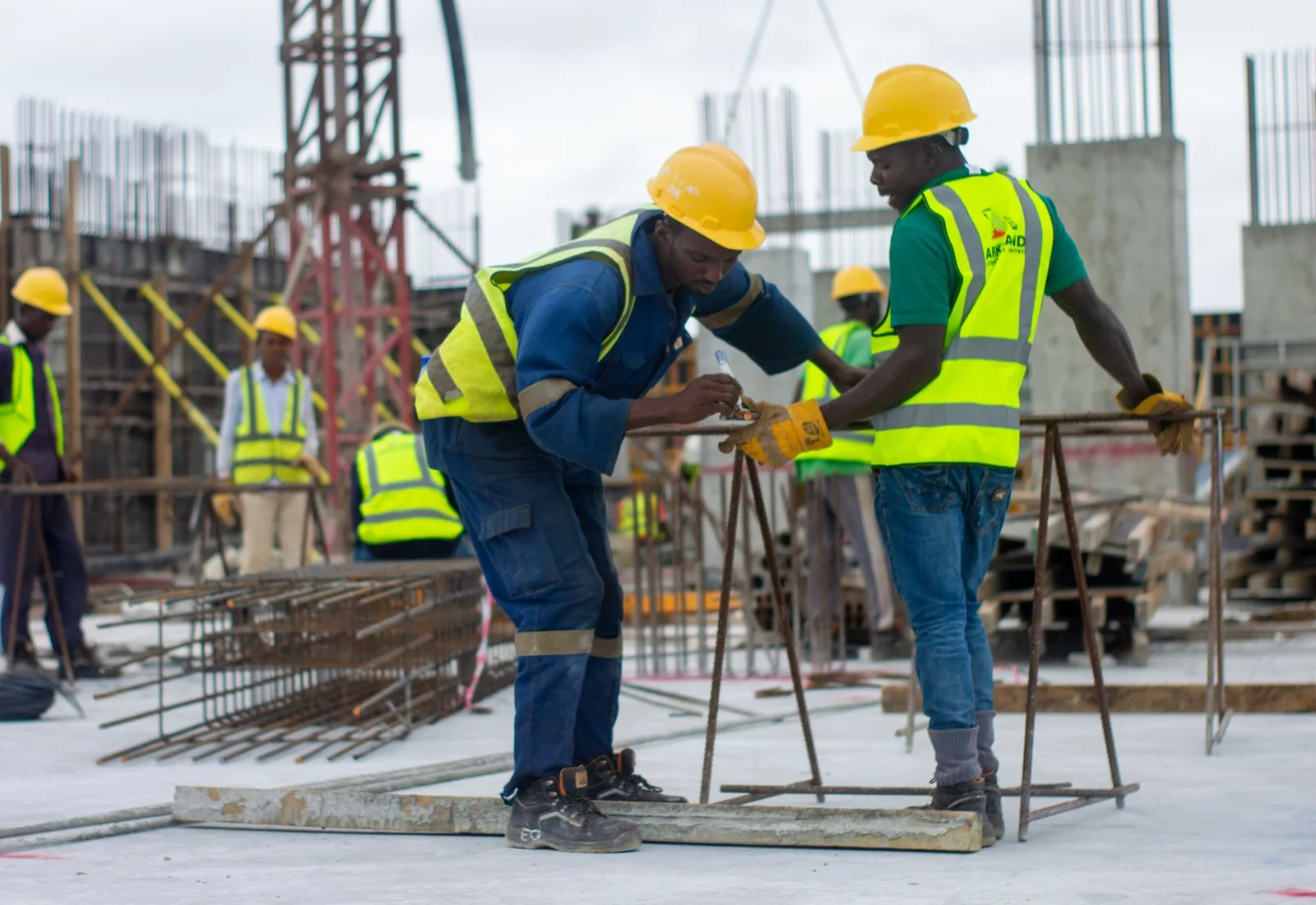
If you run crews in both provinces, one practical approach is to build one set of records around the stricter rule on each line, while still meeting each province’s own requirements. The table below maps them.
Side by side
| Record | British Columbia | Alberta |
|---|---|---|
| Serious incident notice | Notify WorkSafeBC immediately of a serious injury or death, a major structural failure or collapse, a major release of a hazardous substance, a fire or explosion that could cause serious injury, or any other incident a regulation says must be reported. WCA s.68(1) | The prime contractor (or employer if none) reports to an OHS Director as soon as possible for a death, a hospital admission beyond emergency or urgent care, an unplanned explosion, fire or flood that could cause serious injury, a crane, derrick or hoist collapse or upset, or the collapse or failure of a building or structure component necessary for its structural integrity. OHS Act s.33(1)-(2) |
| Injury report to the board | Within 72 hours of becoming aware of the injury (WorkSafeBC) | Within 72 hours of becoming aware of the injury, where the accident causes or is likely to cause lost time or modified work, death or permanent disability, an occupational disease, treatment beyond first aid or medical aid expenses (WCB Alberta) |
| Investigation deadline | Preliminary report within 48 hours, full report to WorkSafeBC within 30 days, which WorkSafeBC can extend. Vehicle accidents on a public street or highway are excluded. WCA ss.69, 71-72 | No day count. For reportable incidents, and others likely to have caused serious injury where corrective action may be needed, the prime contractor (or employer if none) must investigate, prepare a report with corrective actions, and give a copy to an OHS Director and to the committee or representative (or make it available to workers if you have neither). OHS Act s.33(6) |
| Investigation report retention | We found no period in WCA ss.68-73 or OHSR Part 3 | At least 2 years. OHS Act s.33(7) |
| Hazard assessment | We found no general hazard assessment section like Alberta’s s.7. A written first aid assessment is required, reviewed within 12 months and when a significant change affects it (OHSR s.3.16). Other Parts require assessments for particular hazards | Written report, before work begins, dated, repeated when processes change, with affected workers involved. OHS Code ss.7-8 |
| Workplace inspections | Regular inspections at intervals that prevent unsafe conditions, plus a special inspection after a malfunction or accident. OHSR ss.3.5, 3.7 | The joint committee reviews the employer’s inspection documentation (OHS Act s.13(6)(d)). We did not identify a general inspection frequency rule; equipment and hazard-specific rules may apply |
| First aid records | All injuries, and exposures to contaminants covered by the Regulation, that are reported or treated, in a form acceptable to WorkSafeBC, kept at least 3 years. OHSR s.3.19. Guideline G3.19 lists acceptable contents: worker’s name and occupation, date and time of the injury or report, when it was reported to the employer, witnesses, how it happened, the nature of it, treatment and arrangements, later treatment, and the attendant’s signature (the worker’s too if possible) | Every illness or injury at the work site, with the required details (including any work-related cause), kept 3 years from the date recorded. OHS Code s.183 |
| Orientation and training | Orientation before a young (under 25) or new worker starts, covering the listed topics, with records of all orientation and training kept. OHSR ss.3.23-3.25 | Workers must be adequately trained. OHS Act s.3(2). Oil, gas and geothermal sites also need a site-specific orientation before a worker’s first day on site. OHS Code s.751.1. We found no general orientation-record section |
| Written program | 20 or more workers with a moderate or high hazard workplace, or 50 or more workers. Smaller employers hold monthly safety meetings and keep a record (guideline G3.2: when it was held, who attended and what was discussed; formal minutes aren’t required). OHSR ss.3.1-3.2 | Employers who regularly employ 20 or more workers, or when a Director directs. OHS Act s.16 |
| Committee or representative | Joint committee or worker representative, with an annual written evaluation of the committee. Representative where more than 9 but fewer than 20 workers are regularly employed. Committee meeting reports kept 2 years. WCA ss.43, 45; OHSR s.3.26 | Joint committee at 20 or more workers, representative at 5 to 19. Special meeting minutes kept 2 years. OHS Act ss.13-14, OHS Code s.198(2) |
| Fall protection plan | Written plan where a fall of 7.5 m or more may occur without permanent guardrails, available before work starts. OHSR s.11.3. Also where s.11.2(5) work procedures are used. Contents: guideline G11.3 | Plan where a worker may fall 3 m or more without guardrails, at the site and reviewed with workers before work starts, and updated when conditions change. OHS Code s.140. The plan lists hazards, system, anchors, clearances, equipment procedures and rescue (s.140(2)), and Alberta’s bulletin GS010 calls for a site-specific plan at each work site |
| Noise records | For workers exposed above the noise limits: a hearing test within 6 months of hire, then yearly, with results kept as long as the worker is employed. OHSR ss.7.8-7.9 | Noise exposure assessments kept at least 3 years. OHS Code s.220 |
BC: Workers Compensation Act (WCA) and OHS Regulation (OHSR), as published by WorkSafeBC. Alberta: OHS Act (consolidation current as of June 11, 2025) and OHS Code (consolidation current as of March 31, 2025). The fall protection rows compare the written-plan trigger only. Both provinces require fall protection at lower heights.
Where BC is stricter
- Investigation deadlines. BC gives you 48 hours for the preliminary report and 30 days for the full report, which goes to WorkSafeBC. Both reports also go to the joint committee or worker representative, or get posted at the workplace if you have neither (WCA ss.71(2)(d), 72(2)(c)).
- Which incidents need investigating. BC requires an investigation for any incident that needed medical treatment or had the potential to cause serious injury (WCA s.69(1)). You also have to record the names, addresses and phone numbers of witnesses (WCA s.70).
- Orientation records. BC spells out what a young or new worker's orientation must cover, including the supervisor's name and contact details and the right to refuse unsafe work, and it requires records of all of it (OHSR ss.3.23, 3.25).
Where Alberta is stricter
- The written hazard assessment. Alberta wants a dated, written report before work begins, repeated when a new process comes in or the work changes, with the affected workers involved (OHS Code ss.7-8). Any report or plan the legislation requires has to be in writing and readily available at the work site (OHS Act s.55(6)).
- Retention of investigation reports. Alberta says at least 2 years (OHS Act s.33(7)). We found no BC retention period for these reports.
- The fall protection plan trigger. 3 m in Alberta against 7.5 m for BC's written plan.
How to set up records for crews in both provinces
- Investigations: work to BC's clock everywhere. Have a preliminary report done in 48 hours and a full report in 30 days, and keep both for at least 2 years. In Alberta, also give a copy of the report to an OHS Director.
- Hazard assessments: a practical choice is to use Alberta’s approach in both provinces. Have a written, dated assessment before work starts, record which workers were involved (a sign-on is one way, though Part 2 of the Code doesn’t require signatures), and redo it when the job changes. BC’s own assessment requirements still apply.
- First aid: use one record that covers both lists. Start with the contents in BC’s guideline G3.19 and add Alberta’s required items, including the first aider’s name and qualifications, where on the site it happened and any work-related cause. For BC, keep it at the workplace, include covered contaminant exposures, and keep it confidential and available to a WorkSafeBC officer. WorkSafeBC says electronic records should be stored in Canada. Keep it at least 3 years.
- Orientation: use BC's topic list for every new worker in both provinces, and keep a dated record. Alberta oil, gas and geothermal sites must also cover the items in OHS Code s.751.1.
- Fall protection: write a plan from 3 m in both provinces.
See your auditor’s current audit document for what evidence it samples.
Where software helps
Strawboss brings forms and hazard assessments, incident investigations, training records and corrective actions into one workspace. The mobile app supports selected offline tasks, so check that your own workflow is covered before relying on it without a connection. Software doesn’t decide what your legislation requires. Check the current text for your province.
Frequently asked questions
How long do you have to keep first aid records in BC and Alberta?
At least 3 years in both provinces. In BC, OHS Regulation section 3.19(2) says first aid records must be kept for at least 3 years. In Alberta, OHS Code section 183(3) says they must be kept for 3 years from the date the illness or injury is recorded.
When is an incident investigation report due in BC?
The preliminary investigation report must be completed within 48 hours of the incident, and the full investigation report must be submitted to WorkSafeBC within 30 days of the incident (Workers Compensation Act sections 71 and 72). WorkSafeBC can extend the 30 days.
Does Alberta set a deadline for incident investigation reports?
The Alberta OHS Act sets no day count for completing the investigation report. For reportable incidents, and incidents likely to have caused serious injury where corrective action may be needed, section 33 requires the prime contractor, or the employer if there is none, to investigate, prepare a report with corrective actions, keep it readily available, and retain it for at least 2 years.
How fast do you have to report an injury to the workers' compensation board?
Within 72 hours of becoming aware of it in both provinces, according to WorkSafeBC and WCB Alberta. In Alberta this applies where the accident causes or is likely to cause lost time or modified work, death or permanent disability, an occupational disease, treatment beyond first aid or medical aid expenses. Serious incidents and fatalities must also be reported immediately: to WorkSafeBC in BC, and to Alberta OHS as soon as possible in Alberta.
Do you need a written hazard assessment in Alberta?
Yes. Alberta OHS Code section 7 requires the employer to assess the site before work begins, prepare a report of the results and controls, record the date it was prepared or revised, and repeat it when work processes change. Section 8 requires affected workers to be involved.
Sources
- WorkSafeBC: OHS Guidelines, Part 3 (G3.2, G3.19)
- WorkSafeBC: Guideline G11.3, fall protection plans
- Alberta: Fall protection plan bulletin GS010 (February 2023)
- WorkSafeBC: Workers Compensation Act, Part 2 (ss.68-73)
- WorkSafeBC: OHS Regulation, Part 3 (ss.3.1-3.26)
- WorkSafeBC: OHS Regulation, Part 7 and Part 11
- WorkSafeBC: Report a workplace injury or illness
- Alberta: OHS Act, Regulation and Code (OHS Act consolidation current as of June 11, 2025; OHS Code consolidation current as of March 31, 2025)
- WCB Alberta: Report an injury, for employers
This article is general information, not legal advice. Legislation changes, so confirm against the current official text for your province before you rely on any section here.
Explore forms & capture


